
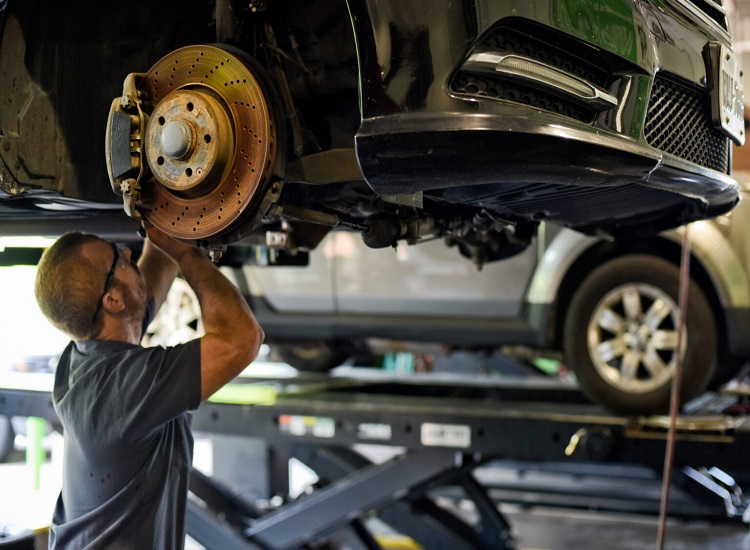
Safety in your car is extremely important. When buying a car, whether used or new, it is equally important to check car brakes to ensure they work properly. Brakes are one of the most critical safety features in a vehicle, and failing to inspect them can lead to costly repairs or dangerous situations. Here are some key steps to evaluate the brakes during a test drive and inspection.
Listen Carefully for Brake Sounds
During a test drive, pay close attention to the sounds your brakes make. A squealing noise often indicates that the brake pads are wearing thin and will need replacing soon. A metal-on-metal sound is more serious. It means the brake pads have worn down completely, and the metal is grinding against the rotors. This can warp the rotors, requiring replacement of both the pads and the rotors. Identifying these issues before purchase can save you money and prevent unsafe driving conditions.
Test the Brake Pedal for Responsiveness
Press the brake pedal gently while driving. If the pedal feels soft at times and hard at other times, your brakes may need bleeding to remove air pockets. If the pedal sinks to the floor, the car may require a new brake master cylinder. Low brake fluid or a leak in the system can also cause the pedal to sink, reducing braking efficiency. Ensuring the pedal responds consistently is essential for safe driving.
Observe Braking at Higher Speeds
Test the brakes while driving at higher speeds. If the car swerves slightly to one side when braking, this could indicate low hydraulic pressure on that side. If you feel shuddering or vibration, the rotors may be warped. You can either have the rotors refinished to smooth the surface or replace them entirely if the damage is severe. Keep in mind that refinishing thins the rotors, so monitor their condition and replace them as needed.
Check the Brake Fluid
Inspect the brake fluid under the hood in the reservoir. Make sure the fluid level is sufficient, and the fluid appears clean. A small top-up is normal, but frequent low levels may indicate a leak. Dirty or contaminated fluid should be replaced, as dust, dirt, and brake debris can reduce braking efficiency. Proper brake fluid maintenance is critical for ensuring the brake system functions reliably.
Additional Tips for Safe Brake Checks
-
Look for Uneven Wear: Check brake pads and rotors for uneven wear, which can indicate alignment issues or improper brake function.
-
Feel for Noise or Vibration: During the test drive, pay attention to any unusual vibrations or grinding when braking.
-
Ask for Maintenance Records: Request maintenance records to confirm that the brakes and brake fluid have been serviced regularly.
-
Check All Wheels: Inspect brakes on all wheels, not just the front or rear, to ensure the entire system works properly.
Conclusion
Always check the brakes thoroughly before purchasing any car. Properly functioning brakes are essential for safety, preventing accidents, and avoiding costly repairs. Following these steps ensures that your vehicle stops efficiently and safely in all conditions. Remember, taking the time to check car brakes can make a huge difference in your driving safety and confidence.
