
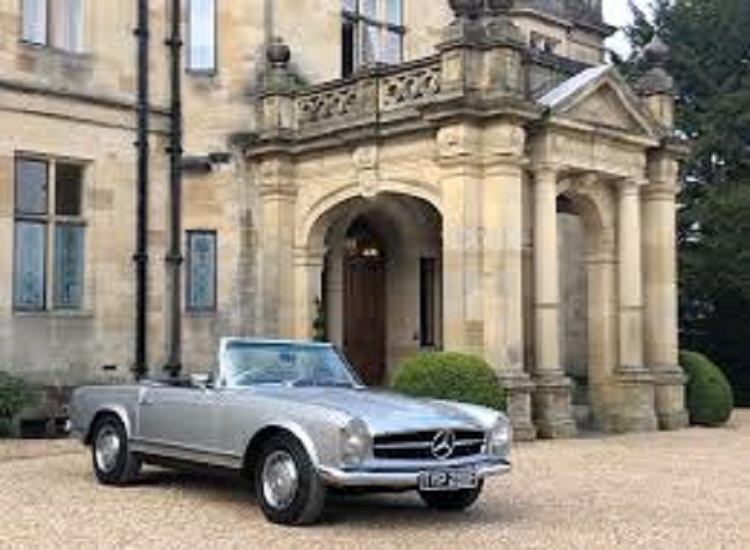
The classic Mercedes Benz SL represents elegance, innovation, and personality in automotive history. While modern Mercedes models focus on advanced technology, the SL series reveals where the brand’s reputation for quality and refinement truly began.
Classic Mercedes-Benz SL With Timeless Personality
Mercedes Benz has long set standards in design, safety, and engineering. Among its most admired creations stands the SL series. This iconic model shaped the brand’s identity and continues to attract collectors worldwide.
Design That Defined an Era
When Mercedes-Benz introduced the SL at the Geneva Motor Show, it immediately turned heads. Many questioned whether it could compete with other luxury sports cars. However, its appearance alone secured its place among the world’s finest automobiles.
Designer Paul Bracq created the SL’s elegant proportions. He later designed other legendary vehicles, including the BMW 6 Series. Safety pioneer Bela Barenyi also played a key role. He designed the concave hardtop that earned the SL its famous “Pagoda” nickname. This distinctive roof design improved visibility and strength while adding character. The SL quickly became a symbol of refined performance.
Engineering and Safety Innovation
The classic Mercedes Benz SL combined beauty with advanced engineering. Its wide track and compact length delivered excellent handling. A smooth, straight six-cylinder engine provided strong and reliable performance.
Lightweight aluminum panels helped keep the car agile. Barenyi focused heavily on safety. He introduced crumple zones and a rigid passenger safety cell. These features appeared decades ahead of many competitors. At the time, few sports cars offered this level of occupant protection. This innovation strengthened Mercedes-Benz’s reputation for safety leadership.
The Mercedes-Benz 230SL
Mercedes Benz launched the 230SL as the first major version in the SL lineup. Production ran for five years, with nearly 20,000 units built. About one quarter of these cars went to the United States.
Most US models featured a smooth four-speed automatic transmission. The 230SL used a 150 horsepower six-cylinder engine. This setup delivered dependable performance and refined cruising ability. There is even a well-known story of a 230SL achieving a competitive lap time against a V12 Ferrari, missing victory by only fractions of a second.
Rare Variants and Upgrades
Mercedes Benz followed the 230SL with a short production successor. This rare model lasted only one year, which increased its desirability. Engineers upgraded the suspension and mechanical components.
The engine received a longer piston stroke and a stronger crankshaft. These changes increased torque without raising peak horsepower. One unique version was the California Coupe, which featured a removable hardtop and no folding roof. This configuration proved especially popular in the United States, particularly in California.
A Shift Toward Grand Touring
Later versions of the classic Mercedes Benz SL gained weight and refinement. These models focused more on grand touring comfort than pure sportiness. Mercedes-Benz offered manual transmissions, but most buyers preferred automatic gearboxes.
The engine output increased to approximately 170 horsepower. This change delivered smooth and effortless driving rather than aggressive performance. Safety improvements continued, including softer dashboard materials and collapsible steering columns.
End of Production and Lasting Legacy
The production of the classic SL eventually ended as Mercedes-Benz prepared its next generation. The successor defined the modern SL shape that followed. Many enthusiasts still describe this era as a time when Mercedes-Benz “built cars properly.” The SL’s solid construction and timeless design support that belief. Today, it remains one of the most prestigious and recognizable open-top grand tourers ever produced.
